

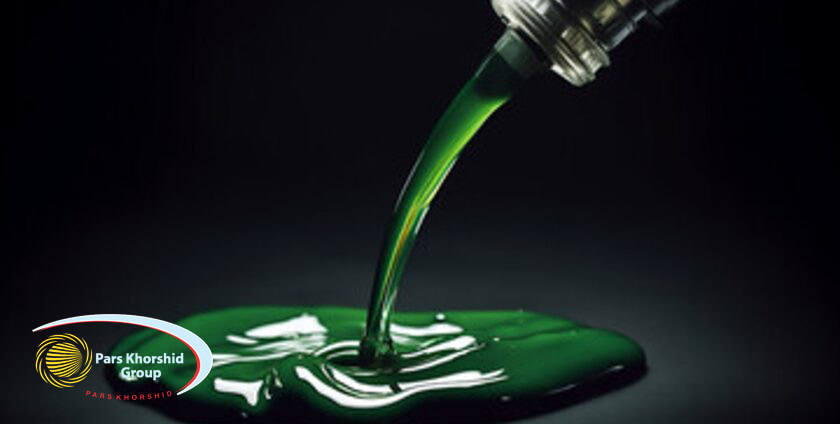
Rubber Process Oil (RPO) is a type of oil used in the production of rubber and rubber-based products. This article delves into the types, applications, and significance of RPO, providing a comprehensive overview for industry professionals and enthusiasts alike.
Rubber Process Oil (RPO) is a complex blend of hydrocarbons derived from petroleum. It is used as a plasticizer and softener in the production of rubber compounds, aiding in the processing and improving the performance characteristics of the final product. RPO is available in different grades, each tailored to meet specific requirements in various rubber applications.
Rubber Process Oil (RPO) is classified into three primary types based on the nature of their hydrocarbon content:
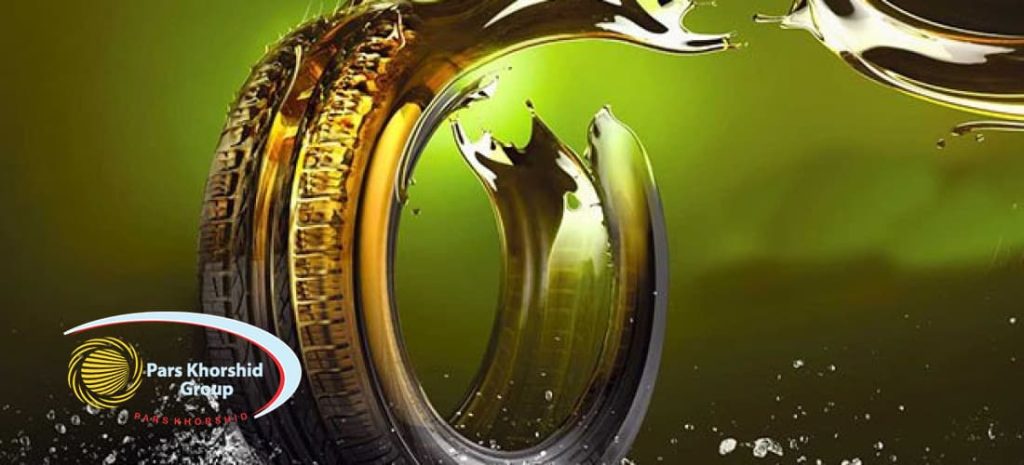
Rubber Process Oil (RPO) is indispensable in various rubber manufacturing processes. Here are some key applications:
In tyre production, Rubber Process Oil (RPO) is used to improve the flexibility, durability, and overall performance of the rubber compound. It enhances the processing characteristics of the rubber, making it easier to mould and shape into tyres. Additionally, RPO contributes to the tyre’s resistance to wear and tear, thus extending its lifespan.
Rubber Process Oil (RPO) is extensively used in the footwear industry to manufacture soles and other rubber components. Rubber Process Oil (RPO) helps in achieving the desired softness and elasticity in the rubber, ensuring comfort and longevity in the final product.
Rubber Process Oil (RPO) is utilized in the production of various automotive parts, such as hoses, belts, and seals. These components require rubber with specific properties, such as heat resistance, flexibility, and durability, which are imparted by the appropriate type of RPO.
Industrial applications of Rubber Process Oil (RPO) include the manufacturing of conveyor belts, gaskets, and other mechanical rubber goods. The oil enhances the performance and processing of the rubber, ensuring that the final products meet the stringent requirements of industrial use.
Beyond the above-mentioned industries, Rubber Process Oil (RPO) finds use in the production of rubber-based adhesives, sealants, and various consumer goods. Its versatility and effectiveness make it a valuable component in numerous rubber-related applications.
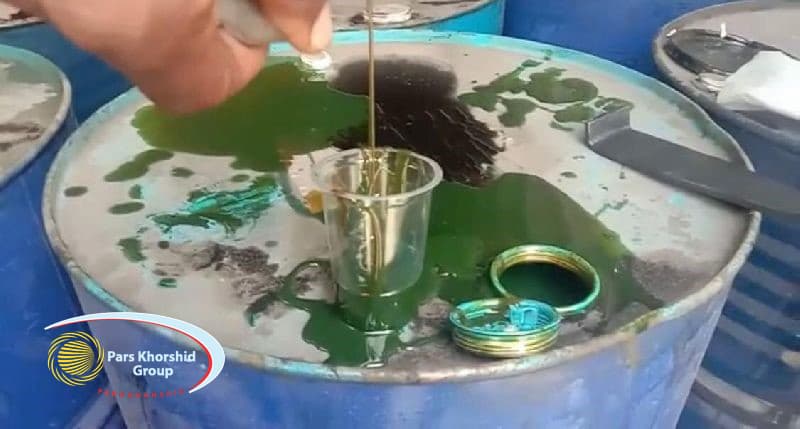
The incorporation of Rubber Process Oil (RPO) in rubber manufacturing offers several benefits, including:
Rubber Process Oil (RPO) improves the processing characteristics of rubber, making it easier to mix, mould, and shape. This leads to more efficient production processes and reduces the overall manufacturing time.
The right type of Rubber Process Oil (RPO) can significantly enhance the physical properties of rubber, such as flexibility, tensile strength, and resistance to abrasion and ageing. This results in higher quality and more durable rubber products.
By improving the processability of rubber, Rubber Process Oil (RPO) helps in reducing energy consumption and wear and tear on machinery. This leads to cost savings in the manufacturing process, making it an economically viable option for rubber producers.
With different types of Rubber Process Oil (RPO) available, manufacturers can choose the most suitable oil for their specific application needs. This versatility ensures that the rubber products meet the desired performance standards.
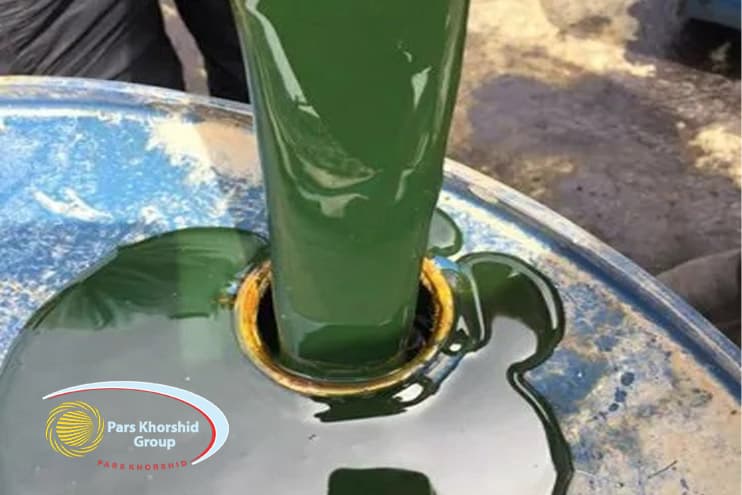
While Rubber Process Oil (RPO) offers numerous benefits, it is essential to consider its environmental and safety aspects. The production and use of RPO must comply with environmental regulations to minimize its impact on the environment. Additionally, proper handling and storage practices are crucial to ensure the safety of workers and prevent any potential hazards.
Manufacturers must adhere to local and international regulations concerning the production, use, and disposal of RPO. Compliance with these regulations helps in reducing environmental pollution and promotes sustainable practices within the industry.
Rubber Process Oil (RPO) should be stored in well-ventilated areas, away from sources of ignition, and handled using appropriate personal protective equipment.
Rubber process oils should be stored in cool, dry, and well-ventilated areas, away from direct sunlight and any sources of ignition, such as open flames or sparks. Storage tanks should be designed to prevent leaks and equipped with appropriate containment measures to handle spills.
Workers handling Rubber Process Oil (RPO) should wear appropriate personal protective equipment (PPE), including gloves, safety goggles, and protective clothing, to prevent skin contact and inhalation of fumes. In some cases, respiratory protection may also be necessary, especially in confined or poorly ventilated spaces.
Proper training for workers on the safe handling and disposal of RPO is essential. This includes understanding the material safety data sheets (MSDS) and implementing emergency procedures for spills, fires, or exposures. Immediate and effective response to any incidents can minimize health risks and environmental impact.
The rubber industry is increasingly exploring sustainable and environmentally friendly alternatives to traditional RPO. Bio-based oils, derived from sustainable sources such as vegetable oils, are gaining traction. These alternatives aim to reduce the carbon footprint and dependency on fossil fuels, promoting a greener approach to rubber manufacturing.
Research and development efforts are focused on creating performance-enhancing additives that can be blended with RPO to further improve the properties of rubber compounds. These additives can enhance heat resistance, reduce rolling resistance in tyres, and improve the overall durability of rubber products.
Nanotechnology is being harnessed to develop advanced rubber process oils with superior performance characteristics. The incorporation of nanoparticles can enhance the mechanical properties, thermal stability, and overall performance of rubber products, opening new avenues for innovation in the industry.

The global demand for Rubber Process Oil (RPO) is closely linked to the growth of the rubber manufacturing industry. Key factors driving this demand include the expansion of the automotive sector, increasing production of tyres, and the rising demand for consumer goods made from rubber.
Asia-Pacific dominates the Rubber Process Oil (RPO) market due to its significant rubber manufacturing base, particularly in countries like China, India, and Japan. North America and Europe also have substantial markets, driven by their automotive industries and technological advancements in rubber processing.
The market for Rubber Process Oil (RPO) is competitive, with numerous players offering a wide range of products. Major companies focus on product innovation, sustainability, and expanding their global reach to maintain a competitive edge. Collaborations and partnerships with rubber manufacturers are common strategies to enhance market presence.


