
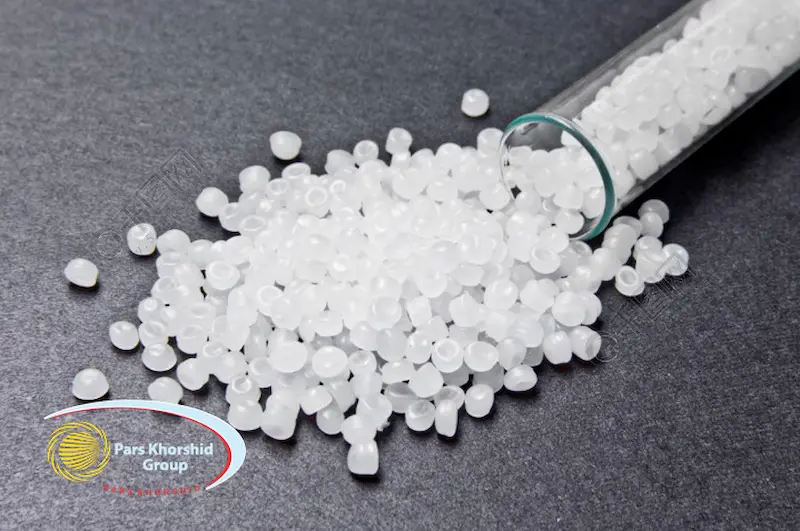
Linear Low Density Polyethylene is a versatile and widely used thermoplastic polymer known for its impressive balance of strength, flexibility, and durability. Distinguished by its linear structure with significant numbers of short branches, LLDPE is created through the copolymerization of ethylene with alpha-olefins such as butene, hexene, or octene.
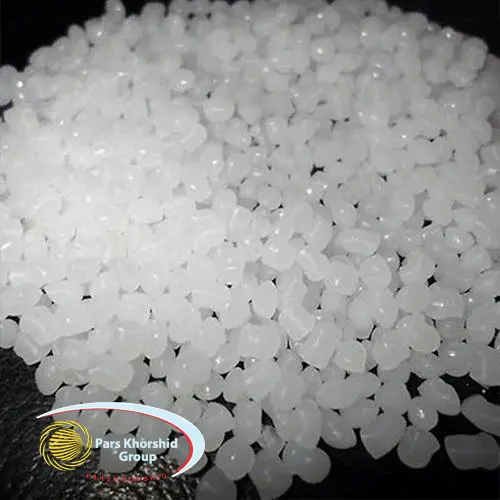
This structure results in a lower density compared to high-density polyethylene (HDPE), providing excellent flexibility, impact resistance, and chemical resistance. These properties make LLDPE ideal for various applications, including packaging films, agricultural films, linings, covers, pipes, fittings, and household goods. The material’s durability, clarity, gloss, and processability further enhance its suitability for these uses.
Due to its versatile properties, LLDPE has become a staple in numerous industries. In packaging, it is used for stretch wrap, shrink wrap, and heavy-duty bags, offering toughness and flexibility to protect goods. In agriculture, LLDPE films serve as greenhouse coverings, mulch films, and silage wraps, contributing to crop protection and productivity. Its application in geomembranes for lining landfills, ponds, and canals, as well as in tarpaulins and covers, highlights its chemical resistance and flexibility. Additionally, LLDPE is used in manufacturing pipes and fittings for water and gas distribution, and in various household items like containers, toys, and kitchenware due to its safety and durability. As technology advances, LLDPE’s properties and applications are expected to evolve, ensuring its continued relevance and utility in the future.
Linear Low Density Polyethylene is characterized by its linear structure with a significant number of short branches, achieved through the copolymerization of ethylene with alpha-olefins such as butene, hexene, or octene. This unique structure results in a polymer with lower density compared to high-density polyethylene (HDPE). The short branching in LLDPE prevents the polymer chains from packing closely together, imparting exceptional flexibility and impact resistance even at low temperatures. Additionally, LLDPE exhibits high chemical resistance to acids, bases, and many organic solvents, enhancing its suitability for diverse applications. The material also boasts superior tear and puncture resistance, good clarity and gloss, and excellent processability using conventional polyethylene processing techniques such as extrusion, blow molding, and injection molding. These properties make LLDPE an ideal choice for applications ranging from packaging films and agricultural coverings to pipes, fittings, and household goods.
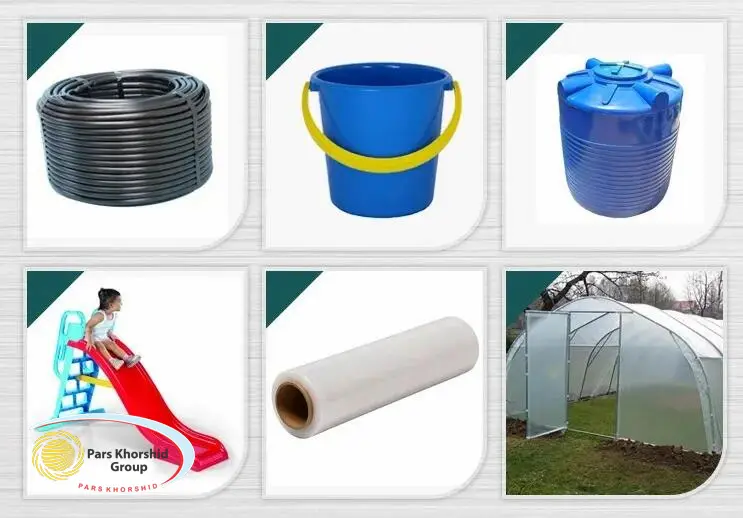
Linear Low Density Polyethylene is widely used across various industries due to its versatile properties, including flexibility, durability, and chemical resistance. In the packaging sector, LLDPE is extensively utilized for producing stretch wrap, shrink wrap, and heavy-duty bags, providing the necessary toughness and flexibility to protect goods during transportation and storage. In agriculture, LLDPE films are employed as greenhouse coverings, mulch films, and silage wraps, contributing to crop protection and enhanced agricultural productivity due to their durability and UV resistance. LLDPE is also pivotal in the production of geomembranes used for lining landfills, ponds, and canals, as well as in tarpaulins and covers, thanks to its chemical resistance and flexibility.
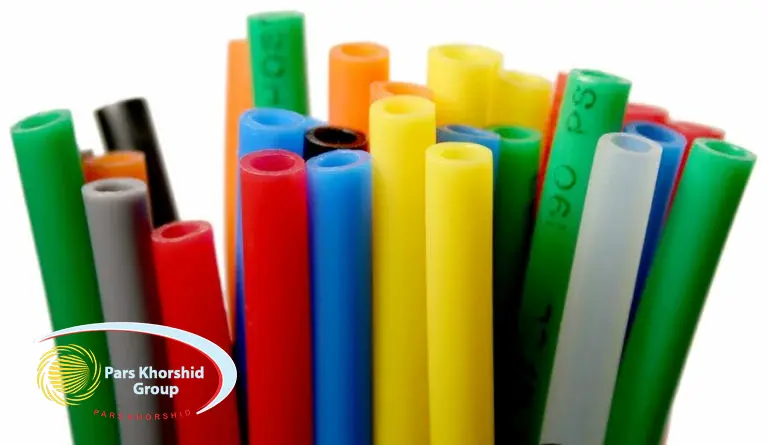
Additionally, LLDPE is used to manufacture pipes and fittings for water distribution, irrigation systems, and gas distribution, owing to its resistance to environmental stress cracking and flexibility. In the consumer goods industry, LLDPE is found in various household items such as containers, toys, and kitchenware, appreciated for its safety, flexibility, and durability. These diverse applications underscore the material’s indispensability across multiple domains.

Innovations and technological advances in LLDPE production have significantly enhanced its properties and broadened its applications. The development of advanced catalysts, such as metallocene catalysts, has allowed for more precise control over polymer structure, resulting in LLDPE with improved mechanical properties and narrower molecular weight distributions. Additionally, advancements in polymerization techniques, including solution-phase and gas-phase processes, have increased production efficiency and product consistency. Innovations in additive technologies have also led to LLDPE with better UV resistance, thermal stability, and processing characteristics, making it suitable for more demanding applications. These technological advancements not only improve the performance and versatility of LLDPE but also contribute to more sustainable manufacturing practices by reducing energy consumption and waste generation.
Environmental Impact and Recycling of Linear Low Density Polyethylene
Linear Low Density Polyethylene has both positive and negative environmental impacts. On the positive side, LLDPE is recyclable, and many products made from it can be reprocessed into new items, reducing the demand for virgin plastic and minimizing waste. Its durability and chemical resistance contribute to the longevity of products, thereby decreasing the frequency of replacement and reducing overall resource consumption. Additionally, advancements in production technology have led to more efficient manufacturing processes that generate fewer greenhouse gas emissions and consume less energy, further mitigating the environmental footprint of LLDPE.
However, the environmental impact of LLDPE cannot be entirely ignored. Improper disposal and inadequate recycling infrastructure can lead to significant plastic pollution, as LLDPE, like other plastics, can persist in the environment for centuries, contributing to land and marine pollution. Microplastic formation from degraded LLDPE products poses a threat to wildlife and ecosystems. To address these issues, it is essential to improve recycling rates and develop better waste management practices. Innovations in biodegradable alternatives and enhanced recycling technologies are also crucial in reducing the negative environmental impact of LLDPE, ensuring that its benefits are maximized while its ecological footprint is minimized.
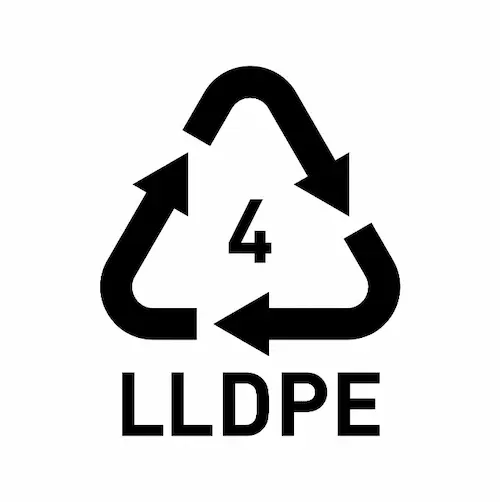
Linear Low Density Polyethylene(LLDPE) is a highly versatile and widely used thermoplastic polymer known for its excellent balance of flexibility, durability, and chemical resistance. Produced through the copolymerization of ethylene with alpha-olefins, LLDPE’s unique linear structure with short branches imparts superior properties such as tear and puncture resistance, making it suitable for various applications. These include packaging films, agricultural coverings, geomembranes, pipes, fittings, and numerous household items. Its processability using conventional methods like extrusion, blow molding, and injection molding further enhances its utility across different industries.
While LLDPE offers significant advantages, including recyclability and environmental safety, it also poses challenges such as lower mechanical strength compared to high-density polyethylene (HDPE), thermal instability, and potential environmental impact if not properly managed. To maximize its benefits and minimize its ecological footprint, ongoing advancements in recycling technologies and waste management practices are essential. Despite these challenges, the benefits of LLDPE, such as its adaptability and robust performance in diverse applications, ensure its continued relevance and utility in the future. Through responsible production and disposal practices, LLDPE can contribute to sustainable development while meeting the needs of various industries.


