

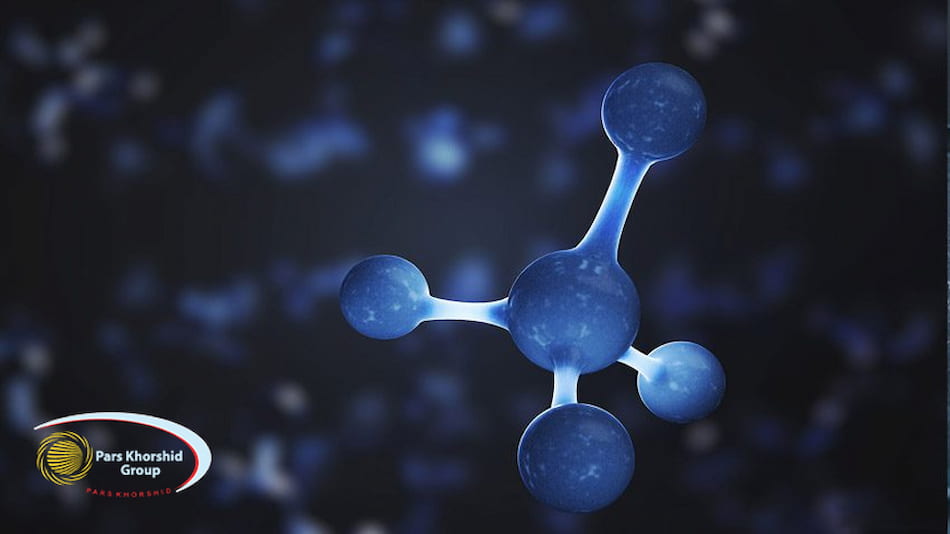
Light hydrocarbons, comprising compounds with relatively low molecular weights and simple chemical structures, play a pivotal role in both natural processes and industrial applications. Their significance extends beyond energy sources; they serve as foundational elements in various industrial sectors, contributing to the global economy and technological advancement.
Light hydrocarbons encompass a range of compounds defined by their molecular structure and composition, primarily consisting of methane (CH4), ethane (C2H6), propane (C3H8), butane (C4H10), and their isomers. These compounds are characterized by their low MW, simple chemical structures, and varying physical properties, which make them essential components in both natural and industrial contexts.
Methane (CH4)
Methane is the most basic type of Light hydrocarbon. It is highly abundant and constitutes the primary component of natural gas. Methane is colorless and odorless in its pure form and is known for its high calorific value, making it a valuable energy resource for heating and electricity generation.
Ethane (C2H6)
Ethane is often associated with natural gas deposits and is used primarily as a feedstock for ethylene production in petrochemical industries. Ethane is notable for its role in producing plastics and ethylene-derived chemicals.
Propane (C3H8)
Propane is a portable fuel for heating, cooking, and transportation. Propane is also utilized in petrochemical processes to produce propylene and other valuable chemicals.
Butane (C4H10)
Butane is a key component of LPG and is used as a fuel in portable stoves and lighters. It is also employed in petrochemical applications to produce butylene, essential in synthetic rubber and plastics.

These hydrocarbons participate in various chemical reactions, including combustion, oxidation, and catalytic processes. Methane, for instance, undergoes combustion to produce carbon dioxide and water in gaseous form, releasing energy in the form of heat. Ethane and propane are crucial in petrochemical processes as precursors to ethylene and propylene, respectively, which are fundamental in polymer synthesis and chemical manufacturing.
Understanding the chemical composition and properties of Light hydrocarbons is pivotal for their utilization across diverse industrial applications. From energy production to petrochemical manufacturing and beyond, these compounds serve as essential raw materials, fuels, and feedstocks, driving innovation and economic development worldwide.
Light hydrocarbons exhibit varying physical properties depending on their molecular structure and chain length. They are generally gases at ambient temperature and pressure (except propane and butane, which are easily liquefied under moderate pressure). Their boiling points increase with the length of the carbon chain, influencing their storage, transportation, and industrial application methods.
Light hydrocarbons are sourced primarily from natural gas and crude oil deposits, which are either free gases or dissolved in liquid hydrocarbons. The extraction methods differ based on the type of reservoir and the composition of the hydrocarbons present.
Natural gas, which predominantly comprises methane (CH4) and varying proportions of ethane, propane, and butanes, is a significant source of Light hydrocarbons. It is typically found in underground reservoirs, often associated with crude oil deposits or as independent accumulations. Extraction involves drilling wells into these reservoirs and employing techniques like hydraulic fracturing (fracking) or conventional drilling methods to release and capture the gas.

Light hydrocarbons can also be extracted from crude oil during the refining process. Crude oil contains a range of hydrocarbons, including lighter fractions, which are separated based on their boiling points through fractional distillation. These fractions are then further processed to extract specific components like natural gas liquids (NGLs) or used directly as fuels or feedstocks in various industrial processes.

Light hydrocarbons Industrial Applications
Because of their distinctive chemical properties and versatility, Light hydrocarbons play essential roles across various industries. Key applications include:
Petrochemical Industry: Light hydrocarbons are essential feedstocks for the petrochemical sector. Ethylene (C2H4) and propylene (C3H6), produced from ethane and propane, respectively, are fundamental building blocks for manufacturing plastics, synthetic rubbers, and fibers. These compounds undergo polymerization to form polyethylene, polypropylene, and other polymers used extensively in packaging, construction, automotive, and consumer goods industries.
Fuel Production, Energy, and Heat: Methane, the most basic Light hydrocarbon, is a key component of natural gas. It is used for heating, electricity generation, and as a cleaner alternative fuel for vehicles. Propane and butane, commonly known as liquefied petroleum gas (LPG), serve as portable energy sources for cooking, heating, and industrial processes.
Chemical Synthesis: Beyond plastics, Light hydrocarbons are integral to chemical synthesis. Methane, for example, is a precursor for producing methanol and acetic acid, essential chemicals in pharmaceuticals, solvents, and agricultural products. Ethylene and propylene derivatives manufacture detergents, synthetic lubricants, and industrial chemicals.
Solvents and Adhesives: Due to their low toxicity and volatility, ethane and propane are used in aerosols as solvents and fuels. They also serve as industrial cleaning agents and adhesive components in various applications.
Hydrocarbon Derivatives: Light hydrocarbons contribute to the production of a wide range of derivatives, including ethylene glycol (used in antifreeze and polyester production), vinyl chloride (for PVC plastics), and synthetic rubber (from butadiene).
The versatility of Light hydrocarbons in industrial applications underscores their significance in modern economies. They support sectors ranging from manufacturing and construction to agriculture and transportation. Continued innovation and sustainable practices in their extraction, processing, and utilization are essential for meeting global energy demands while mitigating environmental impacts.

The combustion of Light hydrocarbons, both in industrial processes and everyday use, releases carbon dioxide (CO2) and contributes to greenhouse gas emissions. Furthermore, their extraction and refining processes can lead to environmental concerns, such as methane leakage during drilling and air pollution from refining activities. Effectively addressing these impacts is crucial for mitigating climate change and upholding air quality standards.
Technological Advances
Recent technological advancements aim to enhance the efficiency of extraction processes and reduce their negative environmental impact. Innovations such as hydraulic fracturing (fracking) and enhanced oil recovery (EOR) focus on boosting yields while reducing surface disruption and water consumption. Moreover, advancements in carbon capture and storage (CCS) technologies present promising strategies to mitigate CO2 emissions resulting from the combustion of hydrocarbons. These developments underscore a concerted effort towards sustainable energy practices and environmental stewardship.
Regulatory Framework and Sustainability of Light hydrocarbon
The extraction and use of Light hydrocarbons are regulated by a multifaceted framework that aims to balance economic growth with environmental protection and societal interests. This section delves into the regulatory landscape and sustainability factors related to the production and application of Light hydrocarbons.
Environmental Regulations

Light hydrocarbons are crucial in modern industry and energy sectors, offering versatility and economic benefits. However, addressing their environmental impact through sustainable practices and technological innovation is imperative for mitigating climate change and ensuring long-term energy security.


