

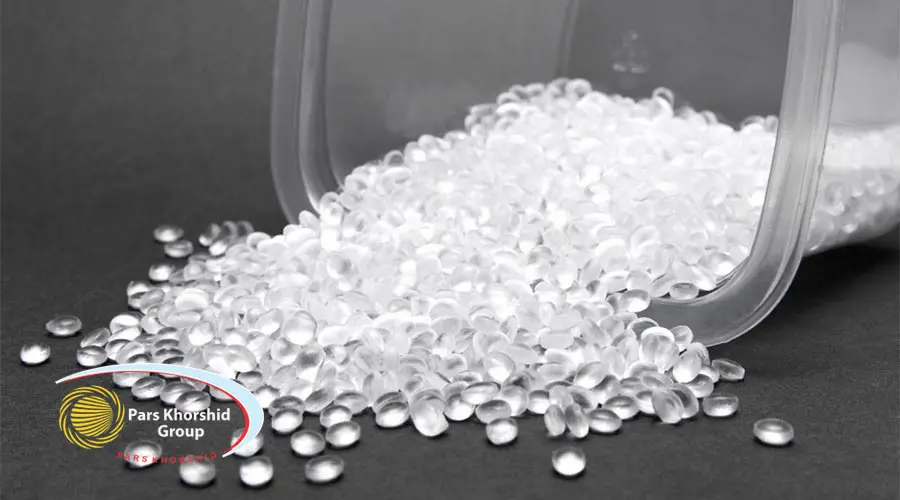
In this article, we will delve into the properties and applications of High polyethylene(HDPE). HDPE is a thermoplastic polymer produced from two ethylene monomers. Renowned for its exceptional qualities, HDPE exhibits outstanding resistance to shock, bending, corrosion, UV radiation, and adverse weather conditions. Due to its remarkable properties, HDPE has emerged as one of the most sought-after polymers in various industries. It holds a premier position in packaging and the production of plastic pipes. Moreover, HDPE serves as a primary material in the oil, gas, chemical, agricultural, automotive, and construction sectors.
High polyethylene(HDPE) is a widely used thermoplastic polymer that serves as a fundamental material in the manufacturing of numerous products. Its properties include high resistance to shock, bending, corrosion, UV radiation, and harsh weather conditions. Additionally, HDPE possesses a high density and can be easily combined with various colors and additives. Other advantages of HDPE include its affordability, resistance to acids and bases, non-absorbent nature, and lightweight characteristics. HDPE finds applications in a diverse range of products such as pipes, tanks, bottles, food containers, waste bins, building structures, and more.
The production of High polyethylene(HDPE) consists of several steps, which are briefly described below:
Polymerization: In this stage, gaseous ethylene is converted into a polymer chain by using a catalyst such as aluminum trichloride on the surface of a solid catalyst. This process results in the formation of polymer chains within the ethylene molecule.
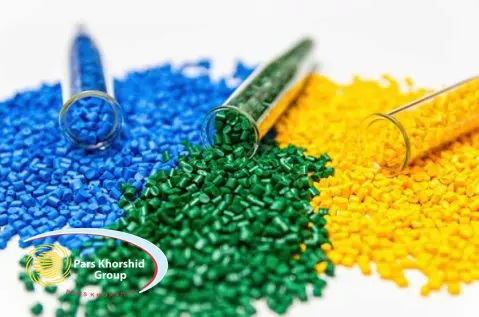
Processing: After polymerization, the polymer takes the form of a powder. This powder is used to produce various products such as pipes, sheets, and containers. In this stage, the polymer is mixed with various additives including colorants, preservatives, and UV inhibitors.
Molding: In this stage, the polymers are shaped into specific sheets or molds. These molds may consist of several stages, with each stage producing a part of the final product.
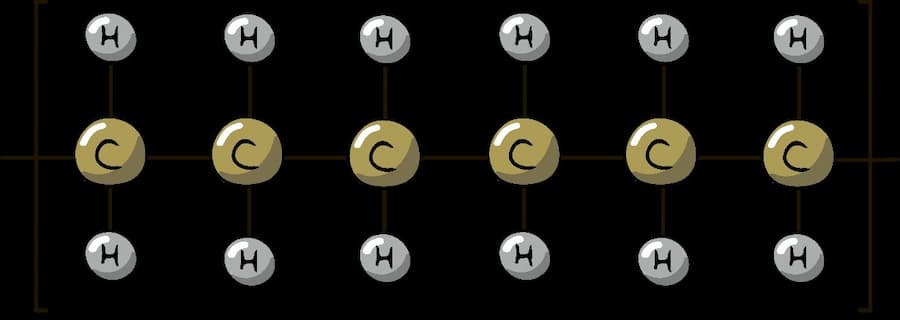
If we want to explain the production of high density polyethylene (HDPE) accurately and in more detail, the steps are as follows:
Cracking: Petroleum-based hydrocarbons are subjected to high temperatures and pressures in a process called cracking. This breaks down the complex hydrocarbon chains into simpler molecules, including ethylene.
Purification: The ethylene gas produced is purified to remove impurities that could affect the polymerization process.
Catalyst: The purified ethylene gas is introduced into a reactor along with a catalyst. Common catalysts include Ziegler-Natta catalysts (titanium-based) and Phillips catalysts (chromium-based).
Polymerization: Under controlled conditions of temperature and pressure, the ethylene molecules link together (polymerize) in a long chain to form HDPE.
Slurry Process: The polymerization process often involves a slurry phase, where the polymer forms a suspension in a liquid hydrocarbon.
Separation: The High polyethylene(HDPE) polymer is separated from the reaction mixture. This typically involves filtering and washing processes.
Purification: The separated High polyethylene(HDPE) is further purified to remove any residual catalyst or other impurities.
Melting: The purified High polyethylene(HDPE) is melted to form a viscous liquid.
Pelletization: The molten High polyethylene(HDPE) is forced through a die with small holes, forming tiny pellets. These pellets are the final product and are used as the raw material for various plastic manufacturing processes.
High polyethylene(HDPE) is characterized by its:
High density: This is the defining characteristic, typically ranging from 0.941 to 0.965 g/cm³. This density is due to the linear structure of the polymer chains, allowing them to pack closely together.
Molecular Structure: High polyethylene(HDPE) has a linear molecular structure, contributing to its high density and many of its desirable properties.
Crystallinity: High polyethylene(HDPE) exhibits a high degree of crystallinity, which enhances its stiffness, strength, and chemical resistance.
Mechanical Properties: High tensile strength and stiffness, Good impact resistance, Excellent fatigue resistance, High modulus of elasticity
Thermal Properties: High melting point, Good heat resistance
Chemical Resistance: Resistant to most acids, alkalis, and solvents, Good environmental stress crack resistance (ESCR)
Other Properties: Non-toxic, Odorless, Tasteless, Good electrical insulation
These properties make High polyethylene(HDPE) a versatile material with a wide range of applications, including packaging, pipe production, construction, and more.
The most important advantages of High polyethylene(HDPE) include:
High Impact Resistance: HDPE exhibits excellent resistance to impact, capable of withstanding heavy blows and strong pressures.
High Chemical Resistance: High polyethylene(HDPE) offers superior resistance to oxidation, acids, alkalis, and other chemicals. This makes it suitable for use in the chemical and petrochemical industries.
High Heat Resistance: HDPE can withstand high temperatures up to 120 degrees Celsius and is resistant to thermal changes.
High Corrosion Resistance: High polyethylene(HDPE) has excellent corrosion resistance, allowing it to be used in corrosive environments.
Recyclability: HDPE is recyclable and can be recycled multiple times. This makes it a sustainable and environmentally friendly material.
Also, some of the disadvantages that can be listed for this polymer include:
Sensitivity to Sunlight: HDPE is sensitive to sunlight and may discolor or degrade when exposed to it.
Flammability: High polyethylene(HDPE) is flammable and can easily catch fire when exposed to heat or flames.
Moisture Absorption: HDPE has a tendency to absorb moisture, which can lead to physical and chemical changes.
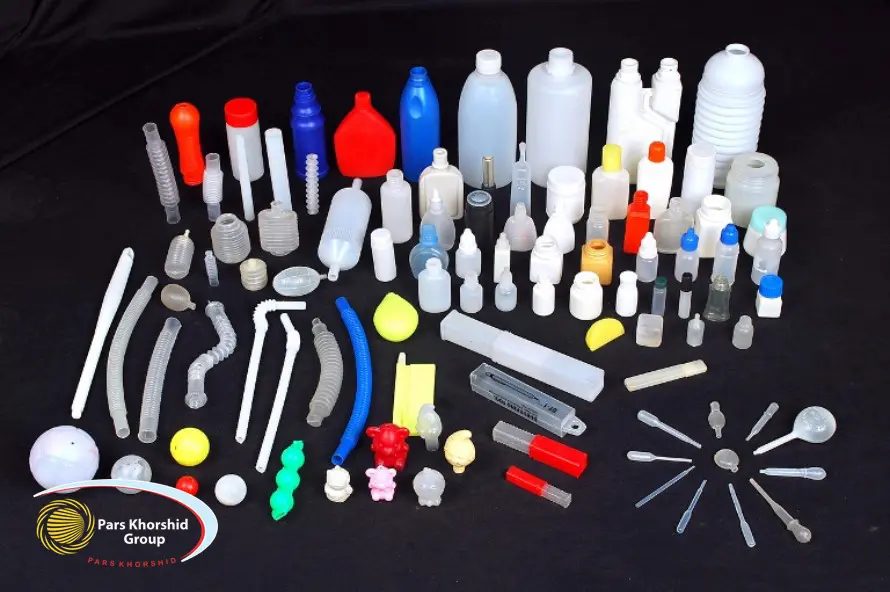
HDPE’s unique combination of properties—high strength, durability, chemical resistance, and recyclability—makes it a versatile material with a wide range of applications across various industries.
Packaging Industry
Construction Industry
Agricultural Industry
Industrial Applications
Other Applications
The versatility of High polyethylene(HDPE), combined with its favorable properties, has led to its widespread adoption across numerous industries.
High polyethylene(HDPE) is categorized based on its density, molecular weight, and resin properties. These factors influence the material’s mechanical properties, processing characteristics, and end-use applications. Common HDPE Grades:
HDPE 2: This is the most common grade, offering a balance of stiffness, toughness, and processability. It’s widely used in packaging, pipes, and construction.
HDPE 3: Known for its higher stiffness and density compared to HDPE 2, it’s suitable for applications requiring rigidity and strength, such as industrial parts and pipes.
HDPE 4: This grade exhibits even higher density and stiffness, making it ideal for demanding applications like heavy-duty pipes and structural components.
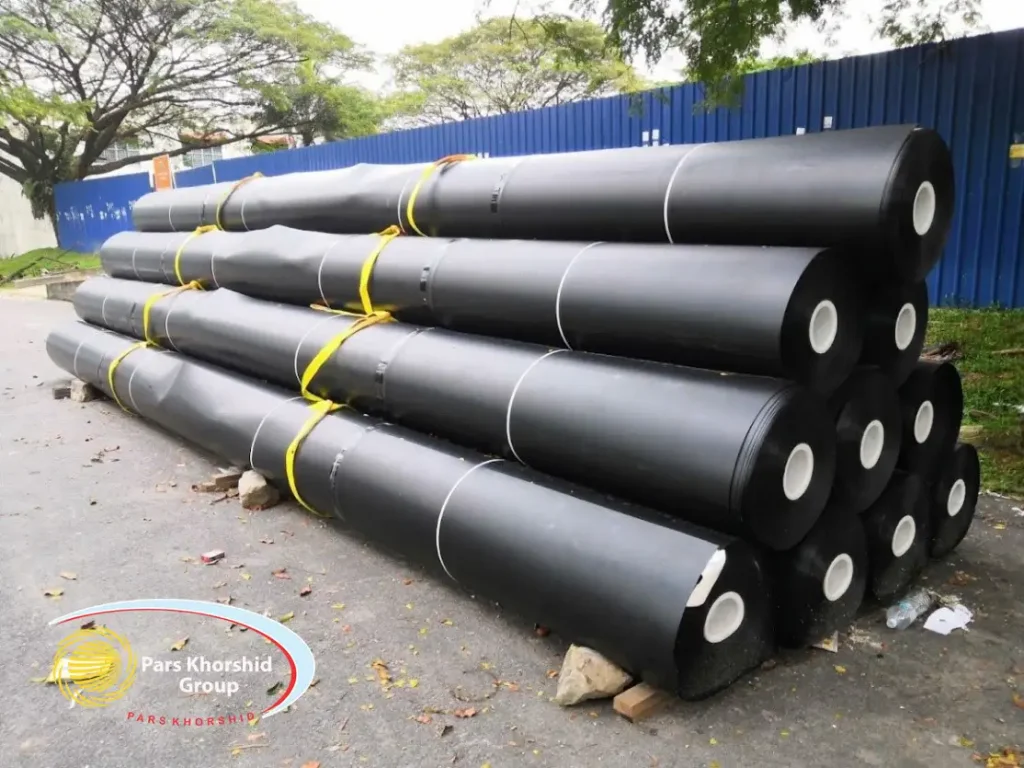
Other High polyethylene(HDPE) Grades:
Blow Molding Grade: Optimized for blow molding processes, this grade offers good impact resistance and processability.
Injection Molding Grade: Designed for injection molding, this grade has excellent flow properties and dimensional stability.
Pipe Grade: Specifically formulated for pipe production, this grade provides high strength, environmental stress crack resistance, and long-term durability.
Film Grade: Used in film extrusion, this grade offers good clarity, toughness, and sealability.
Features and applications of HDPE grade in brief:
Grade | Density (g/cm³) | Key Properties | Applications |
HDPE 2 | 0.941-0.954 | Balance of stiffness, toughness, and processability | Bottles, containers, pipes, crates |
HDPE 3 | 0.954-0.965 | Higher stiffness and density | Industrial parts, pipes, drums |
HDPE 4 | 0.965+ | Highest stiffness and density | Heavy-duty pipes, structural components |
Density: Determines stiffness, toughness, and environmental stress crack resistance.
Molecular Weight: Influences impact resistance, melt flow, and processability.
Resin Properties: Affects clarity, stiffness, and environmental stress crack resistance.
Additives: Can modify properties like color, heat stability, and antioxidant resistance.
By carefully selecting the appropriate High polyethylene(HDPE) grade, manufacturers can optimize product performance, cost-effectiveness, and sustainability.


