

Lorem ipsum dolor sit amet, consectetur adipiscing elit. Ut elit tellus, luctus nec ullamcorper mattis, pulvinar dapibus leo.
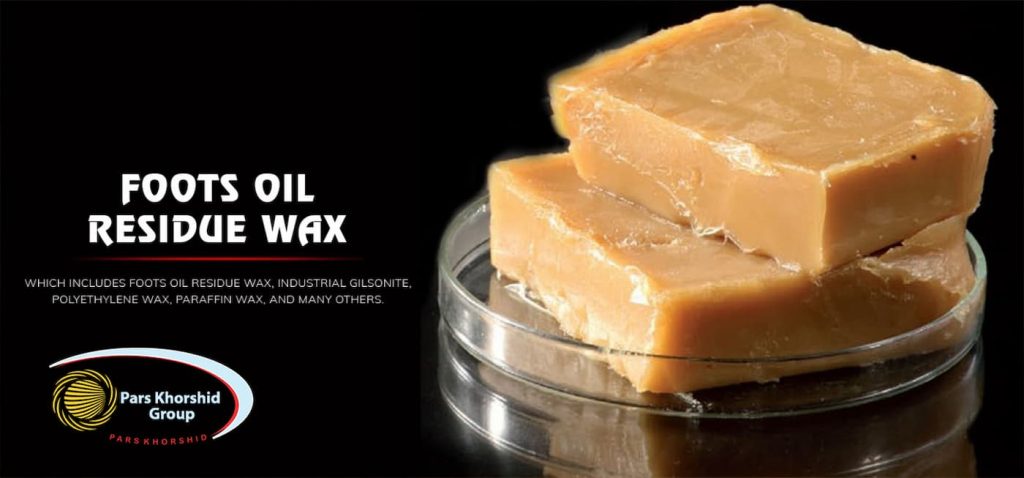
Among the uses of residual wax, we can mention matchmaking, polishing, shoe making, tarpaulin making, etc. Keep reading to learn more about this material.
Residue wax is obtained by producing paraffin wax as a result of removing or sweating soft wax. This product is widely used in shoemaking, plastic making, polishing, chipboard, and wood industries. This product is used in the wood industry, especially chipboard manufacturing, to waterproof and increase the lifespan of wooden products, and in the matchmaking industry as an auxiliary material to improve the ignition of matches.
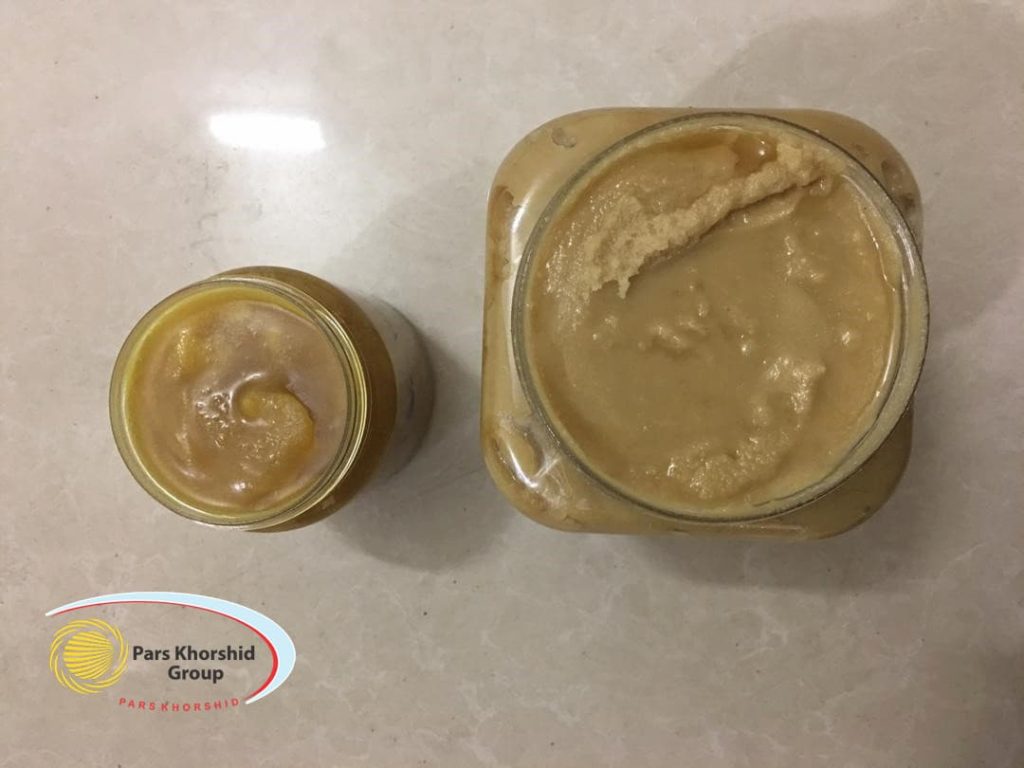
In fact, residue wax is a mixture of oil and soft wax. This wax is a product produced from the production of semi-refined paraffin wax. It is approximately 60% the result of 100% slag produced by oil refineries. foots oil has a lot of oil and its amount is about 50%. It has a wide use in match making.
After deoiling from slack wax, solid paraffin product as well as its residue will be foots oil product. This product will have a low percentage of fragrant hexagonal compounds and sulphur. Foots Oil contains (30-40%) oil and a percentage of fatty acids and is considered a source of base oil and free fatty acids. This product is available in liquid or semi-solid form at normal temperature, depending on the oil percentage. The uses of this product include match making, burnishing, shoe and tarpaulin making. Foots oil products are usually sold in bulk in iron barrels. It is interesting to know that paraffin wax was first produced by Carl Reichenbach in Germany in 1830. The production of this product has caused a great progress in candle making technology, because it will burn cleaner and more reliably than tallow candles and its production is cheaper.
The jelly and solid type of paraffin was used more than any other material for the production of candles from the past until today. Of course, as we have progressed, paraffin has been added to other applications. In general, solid paraffin can be divided into four categories:
In the meantime, many of us will face many cases of all 4 types that we mentioned during our life. Things that sometimes even we don’t know about are introduced as a type of paraffin.
Liquid paraffin is actually a kind of mineral oil with very high purification. This type of paraffin has a white and transparent colour, which is widely used in cosmetics and medicine. The boiling point of liquid paraffin is usually 175 degrees Celsius, and this substance will evaporate at a temperature of 265 degrees Celsius. Generally, liquid paraffin is produced in two forms. One form of liquid paraffin is actually highly refined kerosene that will be used as a fuel. Another form of it is highly refined mineral oil that will be used in the production of cosmetics as well as medicine.
Residue wax (foots oil) is commonly used in the matchmaking industry. In the matchmaking industry, it will be used as an auxiliary material to improve the ignition of the match and also the durability of its burning time. Also, It is widely used in various industries such as shoe making, plastic making, tarpaulin making, production of specialised emulsions, polishing production, chipboard industries, as well as wood for waterproofing and increasing the lifespan of wooden products. Meanwhile, footsoil is used as a raw material in lubricants, grease, and rubber manufacturing.
Other uses of residue wax include:
Slackwax is a substance that is in a solid state and has a yellow to light cream colour spectrum. This substance will be produced from the combination of wax and oil, which is a by-product of motor oil refineries, and it is considered as the raw material for paraffin production. Generally, in the process of making paraffin, slack wax will enter the production system as feed. After performing processes such as degreasing and decoloring, this material will be converted into the final product, i.e. paraffin wax.
The oil created in this process is also transformed into another product called Foots oil (residue wax). This product, as mentioned in the previous articles, will be used industrially.
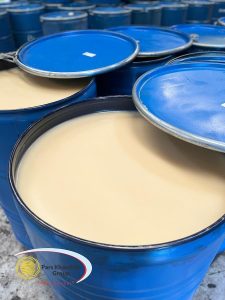
Residue wax (foots oil) will be packed in bulk or barreled in usually 220 litre barrels with a net weight of 175 kg. Of course, it should be mentioned that old washed and clean barrels are used for this product. Why? Because considering its various uses which are purely industrial, it does not need to be new packaging.
Among the main factors in determining the price of residue wax, several things can be stated. Among the most important of them is the quality as well as the level of quality of Fots Oil, which will play a significant role in determining its price. The manufacturing brand of the product will be another thing that determines the price of the product. Another factor that affects the price of Fots Oil is the type of packaging as well as the determined volume of the product.
As you know, Foots Oil is produced from solid paraffin and is a very high quality and premium product. This product consists of a percentage of fatty acids and contains oil, which is widely used in the production of specialised emulsions, in the plastics industry, shoemaking, and other industries. This product is completely original and pure and will be provided without any impurities or preservatives.
The fact that residue wax is imported or exported will affect its price. Because with the increase in the amount of demand in the market, the prices will undergo many changes. Different market conditions, the amount of supply as well as demand and fluctuations will also determine the price of the product. One of the best ways to buy this product is to buy Fots Oil in bulk at a cheap and reasonable price.
Iran residue wax exports to some countries in Europe, Africa, South America, the Middle East, etc. Foots oil is produced, packaged and exported under the licence of Persian paraffin with the best wax raw materials. To get the updated price for Foots Oil, please contact us through our contact/email lines.


